

After The Water Recedes
Advance warning: this column won’t be as lighthearted as some of my past ones. As I write this, my thoughts keep returning to people I care about and the water that has upended their lives.
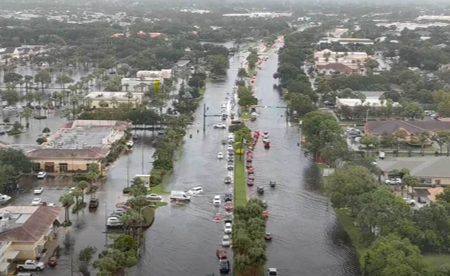
The recent king tides and torrential rains have flooded homes and roads across parts of Florida, including right here on the Treasure Coast.
Our Firefly colleague Tiffany’s home on Hyline Drive in Jensen Beach flooded with waist-high water. She’s been salvaging belongings while facing questions no homeowner wants to contemplate. What can be saved? What comes next? What does the future hold for her home?
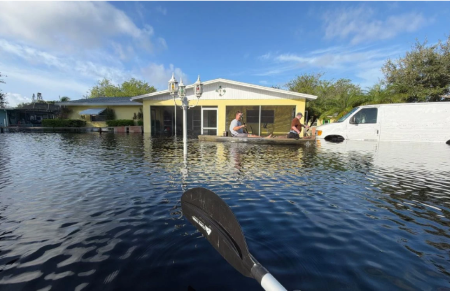 In St. Lucie West, my mom and many older residents in her gated community have been effectively stranded for days by flooded roads. When someone has limited mobility or depends on others for care, that isolation is especially frightening.
And down south, my friend Debbie had water enter her canal-front home in Fort Lauderdale for the first time in the 23 years she’s lived there.
For all of them, the flooding has shaken their sense of safety at home. And for Tiffany and some of her neighbors, the water was still rising days after the rain had stopped. The water had nowhere to go.
Martin County officials explained that the surrounding watershed was overwhelmed, leaving no capacity to receive water pumped out of the neighborhood. Imagine watching the water rise inside your home and being told you have to wait.
The situation is especially frustrating knowing how long we’ve been talking about Florida’s vulnerability to flooding. When I moved from New York to Martin County in 1994, I went back to school at Florida Tech to earn my master’s degree in Environmental Resource Management. We studied global warming and climate change and the implications for a low-lying state like Florida.
 I remember thinking we had thirty years to prepare, make changes and heed those warnings. Those decades have passed.
Today, sea level rise and resilience are familiar terms. Yet there’s a painful distance between understanding a risk and watching someone you care about live through it.
Last September, I wrote “When It Rains, It Pours… Pollution?” about stormwater, flooding and planning. Probably not my sexiest subject. I even asked readers to resist rolling their eyes and scrolling past it.
This week is a heartbreaking reminder of why those dry subjects deserve attention.
Parts of our region experienced what’s called “1,000-year” rainfall, meaning rain that heavy has an estimated 0.1% chance of occurring in any given year. Despite the name, it could happen again next year.
No single flood tells the whole climate story. Rainfall, saturated ground, drainage capacity and coastal water levels all matter. But the broader scientific warning is clear: extreme precipitation and rising seas are increasing flood risks in the Southeast.
Thankfully, work to prepare our communities for those risks is already underway. Martin County is planning for resilience. St. Lucie County has updated its stormwater planning and developed a Regional Resilience Plan. The South Florida Water Management District is evaluating flood protection and advancing adaptation projects. Florida’s Resilient Florida program supports planning and infrastructure improvements.
Those efforts matter.
More than thirty years ago, I sat in a classroom learning about risks that felt far off. This experience has been surreal. I wish more of what I learned had stayed theoretical. And I’m reminded that the work we do today will help determine what living here feels like thirty years from now.
How did you fare during the recent king tides and torrential rains? Did someone step up to help you or your neighbors? Please let me know at stacy@fireflyforyou.com.